Garden in the Park Reports 18th April 2026
A successful day! Achievements included:
- Most of the ‘Long Bed’ (which runs to the right of the path between the Peel Moat Entrance and the Centre Isle) got a good weeding. It looks totally transformed.
- Brambles, weeds, errant chestnut trees, etc. were removed from the stone retaining wall closest to the Peel Moat Entrance opposite the Long Bed. Strenuous efforts resulted in a broken pitchfork (one of the hallmark moves of FoHMP).
- A half-dozen dogwoods were planted along the perimeter path leading from the Park Road entrance towards the tennis court, complete with bark mulch. These should liven up the area in winter with their red and yellow branches.
- In the Tennis court quadrant, several shrubs and trees were rescued from encroaching ivy.
- Some extra logs were laid along the Wildcorner path.
- The Willow crescent was watered.
- Some ceiling boards that had fallen in the shed were removed, creating more storage space.
The next Garden day will be Saturday 16th May 2026, 10-12noon, please meet at the Gardener’s Shed.
Thanks to the splendid band of volunteers……..
The Biophilic cities network……… Biophilic Cities partners with a network of cities, scholars, and advocates from across the globe to build an understanding of the value and contribution of nature in cities to the lives of urban residents. As a central element of its work, Biophilic Cities facilitates a global network of partner cities working collectively to pursue the vision of a natureful city within their unique and diverse environments and cultures.
They have produced a valuable tool kit for protecting urban trees:
Policy Toolkit: Protecting Mature Urban Trees on Private Lands
https://www.biophiliccities.org/mature-urban-tree-policy-toolkit
….. and an interesting reflection on urban birds……
https://www.biophiliccities.org
Birds, birds , birds……
Jackdaws……
There is a bird who, by his coat
And by the hoarseness of his note,
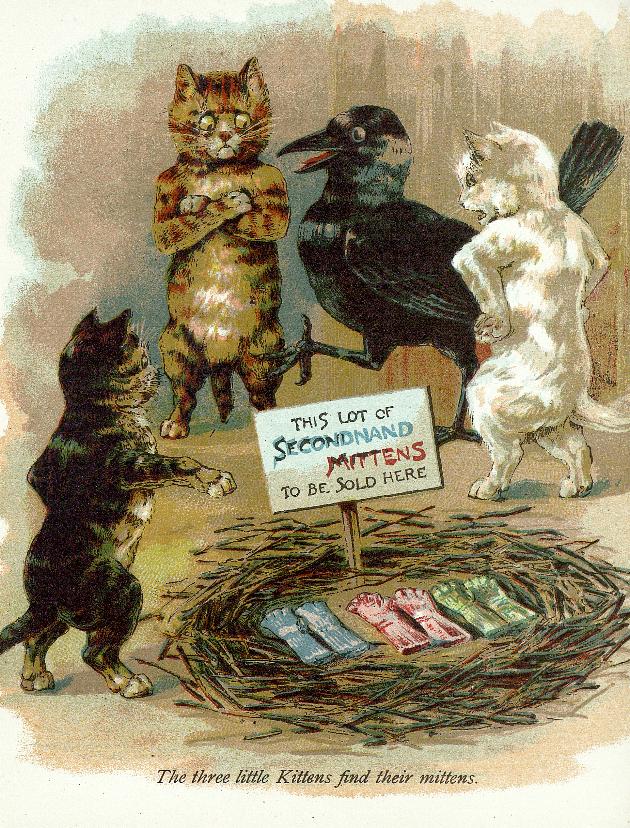
Might be supposed a crow………. There seem to be a lot of jackdaws in the park at the moment, but it is unclear where they are nesting. These very social birds are noisy, and a large flock of them is called a “clattering”. They pair for life and share food; their nests are often very elaborate structures of twigs. Numbers may be increasing generally, due to its generalist tastes and opportunism.
Konrad Lorenz (1903–1989), the well-known Austrian ornithologist, extensively studied jackdaws, a species of corvid, to understand innate behaviours, and social structures. They live in organised groups, with a hierarchy, and will attack dark, dangling objects. They are the smallest of the corvid family, and don’t look forbidding or menacing, like large crows.
The best-known literary jackdaw is found in the Ingoldsby Legends of R. H. Barham, the Jackdaw of Rheims which stole the cardinal’s ring, but returned it and became a local saint.
They are sometimes known as cawdaw or ka-wattie. A jackdaw seen on the way to a wedding is a good omen, and they are sometimes considered holy birds as they nest in church towers.
Feeding the birds……
Feeding birds in gardens and watching them is one of the great pleasures of life. There is an abundance of lovely birds in the park, and surrounding gardens. However, controversy exists as to how such feeding might be spreading disease. This was first reported in 2021 ….. Killing with kindness: Does widespread generalised provisioning of wildlife help or hinder biodiversity conservation efforts? https://doi.org/10.1016/j.biocon.2021.109295
The RSPB have now produced a comprehensive report on this…… Literature review of the effects of supplementary feeding on birds and people
RSPB Research Report Number 85
However, bird food manufacturers are resisting:
RSPB advice to cut summer feeding sparks backlash from suppliers
The bird food industry has responded critically to new guidance from the Royal Society for the Protection of Birds urging people to reduce the use of seed and peanut feeders during the summer months, with suppliers warning the advice could have unintended consequences for birds.
Antibiotic resistance in ecosystems …….
Red foxes and birds regularly cross between human-dominated and natural ecosystems. For this reason, they may be heralds of spreading antibiotic resistance into ecosystems unexposed to antibiotic pressures, a study done in Italy showed.
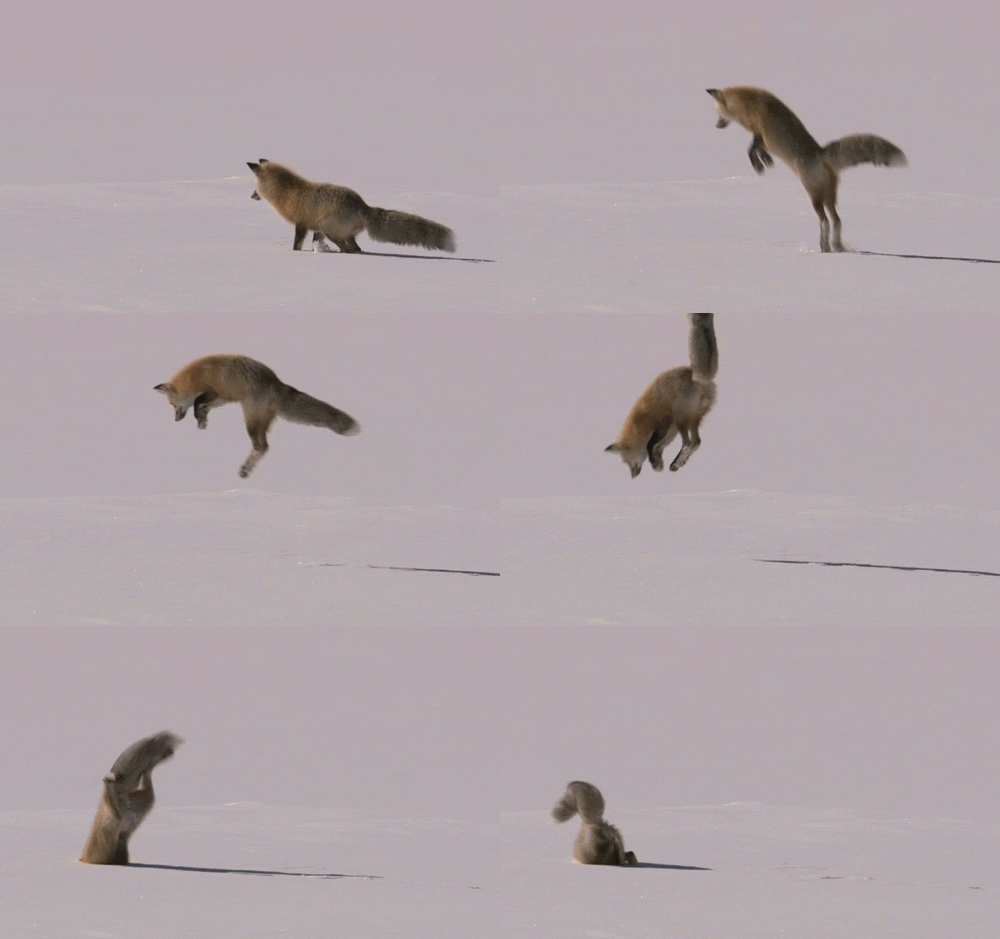
The foxes in the park are doing a good job. Besides eating up the discarded chips, pizza and buns, foxes and birds could be ‘early warning system’ to survey spread of antibiotic resistance into ecosystems
https://www.frontiersin.org/news/2026/04/16/foxes-birds-early-warning-system-antibiotic-resistance
Illegal trade in plants The illegal trade in rare ornamental plants is booming — fuelled by weak enforcement and a changing climate. But the theft of 1,000 cacti from the Chilean desert has led to a landmark court case in Italy.
Geograph – a useful and interesting resource…….. A photography project open to all, it aims “to collect geographically representative photographs and information for every square kilometre of Great Britain and Ireland”. Since 2005 over 14,000 contributors have submitted over 8 million images, covering 85% of the total squares. An almost endlessly browseable resource. And of course you can add your own photographs.
Invasive species or introduced creatures……..
“The moment Chris leaves, real danger arrives…”
Sir David Attenborough raises awareness of the impact of non-native pheasants on biodiversity
Benches
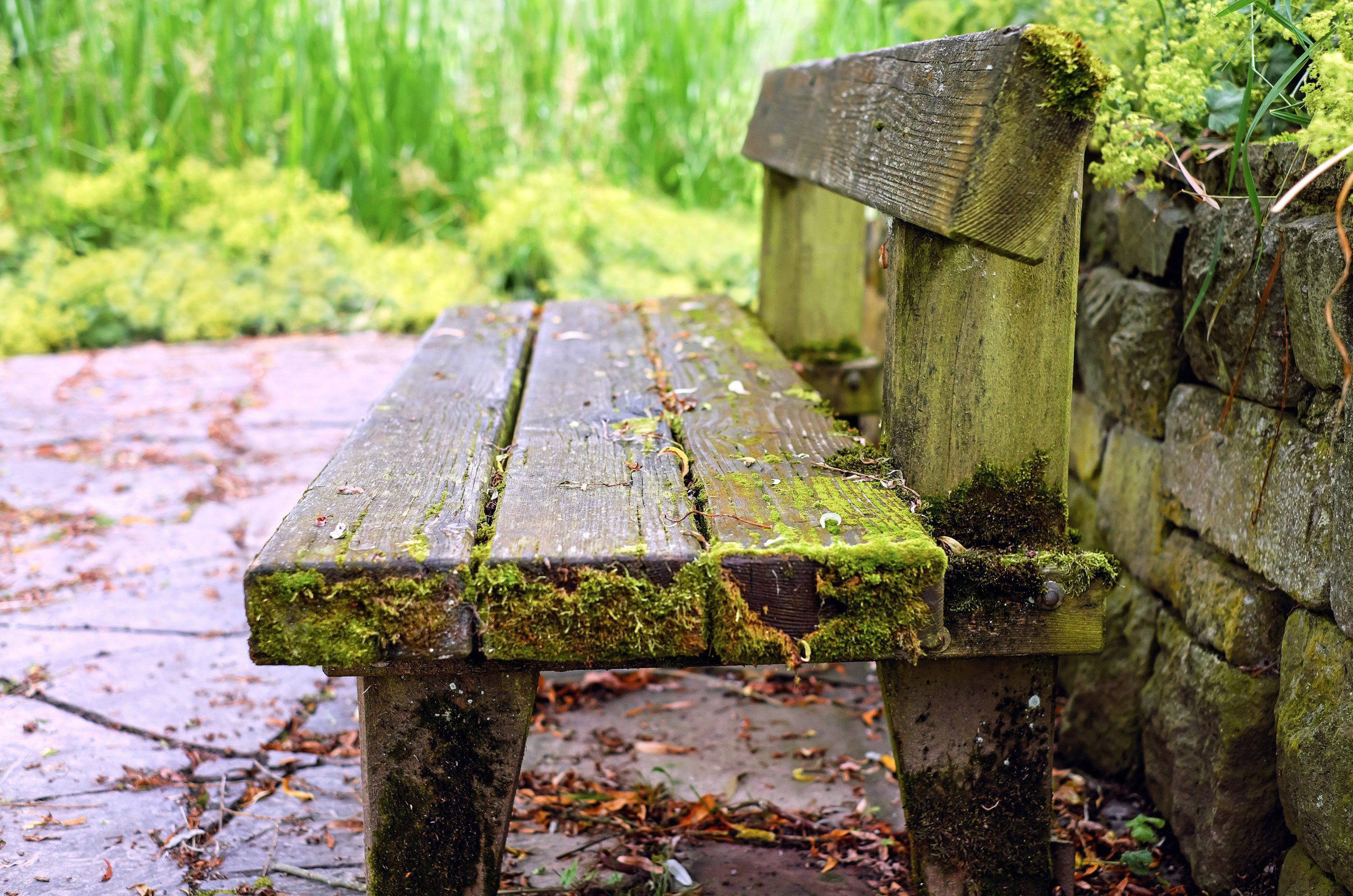
We are lucky to have so many benches. The Disappearance of the Public Bench ……. Benches are microcosms of an expansive debate about who belongs in urban public spaces. When they are removed or made uninviting, we lose more than just a place to rest.
https://placesjournal.org/article/the-disappearance-of-the-public-bench
Wolves……..
The Dutch Wolf population continues steady expansion
The Netherlands is one of the most densely populated countries in Europe. They co-exist with wolves. Why can’t we?
https://www.birdguides.com/news/dutch-wolf-population-continues-steady-expansion
Trees
The tree canopy in cities is very important for urban cooling, and lessening of pollution, as well as its aesthetic effect. The urban forest canopy is a huge public system, one that no single agency can manage alone…. Here are some interesting ideas from New York City…… New York City shares new urban forest plan by WXY aimed at expanding canopy coverage ……. The document contains a total of 43 individual actions for public agencies, private partners, and community stakeholders to consider.
https://www.archpaper.com/2026/04/new-york-city-urban-forest-plan/
Moose – the great moose migration of Swede is underway, live….patience required, but a great resource!
https://www.svtplay.se/video/ePvLm2E/den-stora-algvandringen/idag-06-05
Dogs in the park…….Perhaps their days have gone. Robotic dogs can now be bought on Amazon. They are rather like driverless cars, are of potential great use to the military, and are even showing up with guns, rocket launchers and flamethrowers.
The creator of Roomba has created a friendlier furry robot companion …….. Colin Angle revealed his latest creation this week: a dog-sized robot ‘Familiar’ designed for human connection, not chores or warfare.

Image: Familiar machines and magic
Research
Pandemics…… Wildlife trade is driving animal-human pathogen transmission…….In the most comprehensive study to date, it is shown that wildlife trade is driving animal-to-human zoonotic spillover at a planetary scale, with +1 spillover per host every 10 years. Live animal markets and illegal trade pose even greater risks……. Although several high-profile outbreaks, including the emergence of HIV, the 2014 West African Ebola epidemic, the 2003 mpox outbreak in North America, and the COVID-19 pandemic, have been linked to traded wildlife, the long-term impact of the wildlife trade in shaping pathogen exchange between humans and wild animals remains unclear. This is a very dangerous situation.
https://doi.org/10.1126/science.adw5518
Wildlife has a Facebook problem……..There is evidence of platform-scale facilitation of criminal trade in wildlife…….Illegal wildlife trade is no longer a peripheral online problem. It is a major digital market governance failure playing out during a global biodiversity crisis, with serious implications for conservation, rule of law and platform accountability. https://globalinitiative.net/analysis/wildlife-has-a-facebook-problem/
Loneliness and depression ……Activities in natural environments as remedy to loneliness: The role of connectedness to nature and place attachment
https://doi.org/10.1016/j.healthplace.2026.103617
Indigenous people…….The relationship between Indigenous Peoples’ lands and conservation: A systematic literature review
.
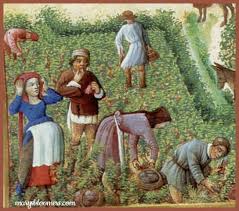
Food is getting more expensive……Medieval Gardeners Secretly Used 10 Tricks to Grow 50% More Food…….
https://www.youtube.com/watch?v=zhKgRiOkNIc
https://www.youtube.com/watch?v=zhKgRiOkNIc