
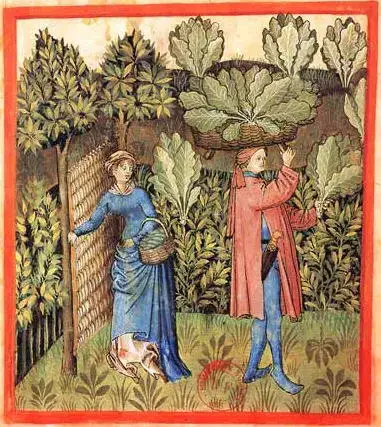
Workday in the park…….a great day’s work on Saturday 18th July by an excellent band of volunteers……..
Things achieved included:
Massive watering of recently planted flowers and shrubs and a couple of flower beds: The hose was put into action for the star bed and the cloverleaf beds. Many many wheelbarrows full of watering cans and jugs were brought to plants in the long border, island beds, the perimeter and the wild corner.
Roses hopefully got a second chance with extensive deadheading.
Nettles, brambles, ivy, sycamore, ash and other plants overhanging paths or sticking into the back of benches were trimmed back.
More places to hang up tools were added to the shed, which also enjoyed having a bit of a clear out of floor rubbish and the items in a rusty old cabinet.
Weeding and tidying of the ‘grasses’ bed and the basketball bed (formerly known, incorrectly as it turns out, as the netball bed).
Labelling up some hand new tools, including secateurs, daisy grubbers (puzzled? see https://www.hillier.co.uk/online-shop/gardening/garden-hand-tools-equipment/rhs-stainless-steel-daisy-grubber/) and hedge shears.
Also much appreciated was that some of the volunteers who live close by were able to bring along extra watering cans, wheelbarrows and also short hose These were very helpful using the water from inside the pavilion.
Many, many thanks to all who came along. Next Garden in the Park Day is Saturday, 15th August 2026, 10am-12noon.
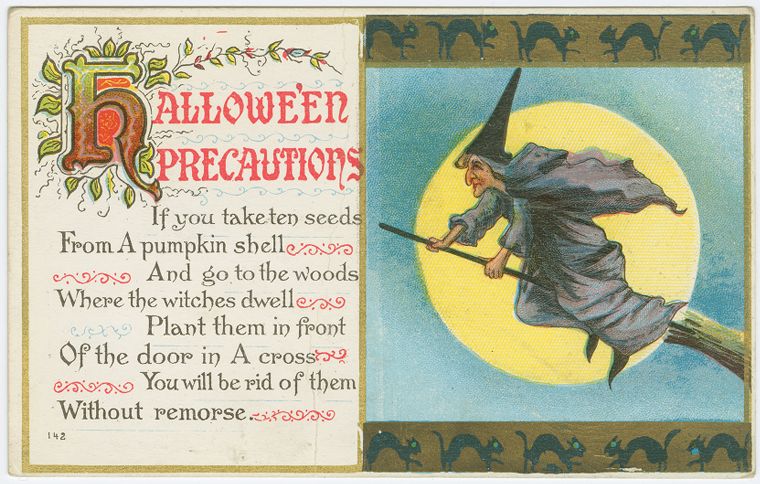
Save the date….. the Friends of Heaton Moor Park will be running the popular Halloween in the Park event on 24th October 2026, 10am-12noon.
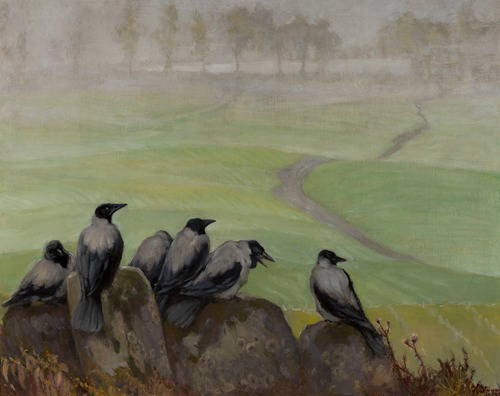
Crows………there is a large and somewhat ominous murder of crows in the park, often gathering around the pavilion as it gets dark. Are crows really our friends? https://www.audubon.org/magazine/are-crows-really-our-friends?src=longreads
Birds Build Their Songs Using Just Eight Musical Elements, Study Finds https://www.audubon.org/magazine/birds-build-their-songs-using-just-eight-musical-elements-study-finds
A communion of saints……. Some thoughts on John Gualbert, an eleventh century Italian abbot, and patron saint of forest workers and foresters, park services, and parks. He founded the Vallumbrosan Order and is widely celebrated for his love of nature and for advocating the planting of trees to restore and protect the environment. His feast day is celebrated annually on July 12. Pope Pius XII named him – in 1951 – as the patron saint for the Italian Forest Corps, while he was named as the patron for Brazilian forests in 1957. https://en.wikipedia.org/wiki/John_Gualbert
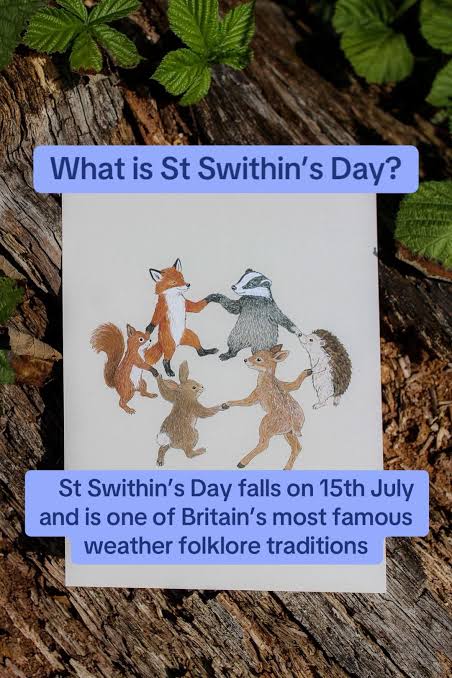
More familiarly, St. Swithin’s Day is an annual British folk tradition celebrated on July 15th that predicts the weather for the rest of the summer. According to the legend, whatever the weather is on this day (whether rain or sunshine), it will continue for the next 40 days. This is probably not meteorogically true, but perhaps he is responsible for the heatwave which has parched so many plants.
St. Swithin’s day, if thou dost rain,
For forty days it will remain.
St. Swithin’s day, if thou be fair,
For forty days ’twill rain nae mair. ……
Swithun (or Swithin; died 2 July 863) was an Anglo-Saxon bishop of Winchester and subsequently patron saint of Winchester Cathedral. The weather superstition originates from the exhumation of his remains in 971, a century after his death. The saint had been buried in the Old Minster outside Winchester Cathedral at his request so that the dead saint might hear the patter of “the sweet rain of heaven, but his bones were dug up and rehoused in a lavish shrine commissioned in his memory by King Edgar.
Swithin disapproved of the gesture and, in rather unsaintly fashion, is said to have cursed the land from beyond the grave, causing a torrential storm. Hence his association with weather.
Whether it is the fault of Swithin or not, the UK is experiencing its fourth heatwave of the summer. Fires have broken out over Europe, and urban areas may be vulnerable to “firewaves”:
Hot, dry summers bring new ‘firewave’ risk to UK cities, scientists warn experts…….
https://www.bbc.co.uk/news/articles/c9vd79x97zlo
Water supply is threatened:
National Drought Group meets to address “nationally significant” water shortfall ….Five areas remain in drought with six more in prolonged dry weather
In a (paywalled) stroke of genius in the Times, readers are advised to delete emails to save water:
https://www.thetimes.com/uk/environment/article/delete-emails-conserve-water-heatwave-jh2n32rwr
Trees in the park………… are one of the park’s greatest treasures. Yet there is no specific legislation to protect the most valuable trees.
Sadly, Major Oak, one of the most revered ancient trees in Europe, had died, partly down to human factors, it seems. An appeal has been launched for photographic memories of it:
https://www.bbc.co.uk/news/articles/clyrg5zqq24o
The Woodland Trust has a valuable Ancient Tree Inventory:
https://ati.woodlandtrust.org.uk
It is remarkable that so many ancient and valuable trees have survived in this country. The report from the Woodland Trust, entitled Trees and woods: at the heart of nature recovery in England, Scotland, Wales and Northern Ireland, show the central role that native natural and semi-natural woods and trees must play in restoring nature.
https://www.woodlandtrust.org.uk/trees-woods-and-wildlife/trees-and-woods-for-nature-recovery
Birds nests……There must be many birds’ nests in the park, and recent research has demonstrated how important they are for invertebrates…… https://doi.org/10.1111/icad.70067
Park dogs…..please can all the dogs in the park have one of these? Petphone keeps owners and dogs connected……PetPhone is a smart collar your pet wears and a connection you carry with you. Through the petpogo App, you can check in, send familiar voice cues, and better understand your pet’s behavior and daily changes — wherever you are….. No more running after your dog and pleading with it to come back! https://www.petphone.ai/?srsltid=AfmBOoo-LWlmMX2zJlzKaZjw9bunxghGiqBX4OIff1LEz9ni57NbKOyo
https://slate.com/technology/2026/06/dog-pets-smartphone-petphone-ai.html

(image: Hi Tec UA)
Greyhounds are less fortunate dogs. The history of commercial dog racing in Great Britain began on July 24, 1926. One hundred years later, the ethical and welfare concerns cannot be ignored. Belle Vue Greyhound Stadium in Manchester permanently closed in August 2020 and has since been demolished for housing.
Most of the greyhounds used for commercial racing come from Ireland, where, incredibly, the industry even receives government funding—about 20 million euros annually, given to the semi-governmental Irish Greyhound Racing Association. There was a very harrowing exposure of the particular horrors of this practice in 2019… https://www.youtube.com/watch?v=ZYTb2qBjlMM
A land of saints and scholars indeed. From the mighty exploits of Bran and Sceolan, to this……
Is It Time to Ban Greyhound Racing in England?
Commercial events in the park….. it is summer, and there will be many concerts, festivals etc in public parks, inevitably raising questions about exclusion, noise, litter, and the ethics of generating money from public goods such as a park.
Calls to ban large commercial events in parks will be bolstered by events in London at the end of July The organisers of Ghana Party in the Park were forced to end the event ‘abruptly’ at Copthall Playing Fields in Barnet on Saturday after it became ‘overcrowded’, police and organisers said. A stampede occurred and several people were injured……
A local delicacy …….. imagine you live in Scotland and are thinking about something tasty for your evening meal. You might like a dish made from bird meat which has been harvested on a very remote uninhabited island, where a group of ten men, the Men of Ness, live in stone bothies for approximately two weeks. There is no running water, toilets, or facilities for washing clothes; nothing at all, just rock and the wild, cold sea. There is no refrigeration for food, although it is usually very cold. There are, however, helpless gannet chicks. Working in pairs, the men take the fledglings from their nests with poles, catching them around the neck with a rope noose, then kill the birds with a blow to the head. The elusive men of Ness have assured us all that most chicks die immediately, but a second blow might be necessary. The chicks are plucked, and the bodies crammed into barrels to be heavily salted, before the journey back to the mainland, where thankfully, the men of Ness can wash their hands etc
Apparently, in the old days, a queue of grateful peasants would be tugging their forelocks on the docks for a scrap of this delicacy. Today, there is a Tesco in Stornoway, but it might perhaps have to adhere to legal food handling regulations……
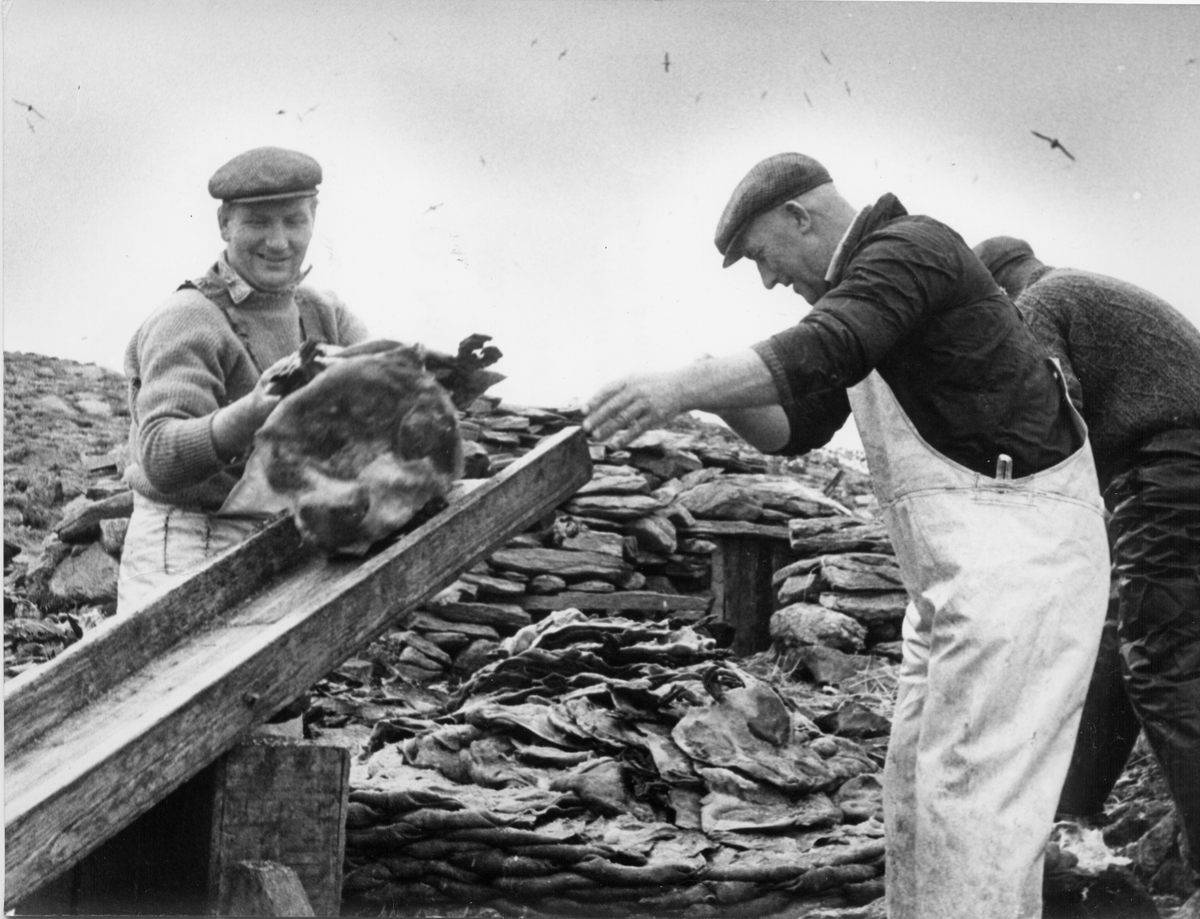
Image: Hebridean Connections
There have been many news reports recently about the “tradition” of killing gannet chicks on the island of Suga Sgeir, by the men of Ness from the island of Lewis. It is, apparently, a very sacred tradition, going back hundreds of years to a world where food was scarce and there was much poverty. Killing or taking of wild birds is prohibited under section 1 of the Wildlife and Countryside Act 1981. Section 16 of the Act allows for specific licensing exceptions, which legally recognizes the cultural and historical tradition of the hunt.
This year, NatureScot, Scotland’s nature agency, refused to give the men of Ness a licence to kill the chicks, after a strong campaign from those concerned with animal welfare. NatureScot claims that its decision was based on rigorous modelling of bird numbers. The hunters steadfastly claim that their hunt is a very important tradition, carried out with scrupulous respect for the birds which are bludgeoned to death. Nature Scot issued the ban because of concern about gannet numbers; it does not tackle the moral issue.
https://www.nature.scot/guga-hunt-statement
According to the Herald, ‘This is a centuries-old tradition that reinforces our unique communal identity and helps our families keep ancient Gaelic customs alive and relevant in the modern world’……….. The uses of tradition are manifold. They are unassailable. Some, like the piping in of the haggis on Burns night, or decorating a tree at Christmas, might seem perfectly harmless.
Even in Star Trek, Klingon society is heavily bound by tradition, including the sacred call of the Beacon of Kahless and rituals surrounding battle and leadership.
Compare the grind in the Faroe islands, where pilot whales are knifed until the sea runs with blood…..
https://uk.whales.org/2024/07/02/why-do-faroese-communities-hunt-pilot-whales
The fox hunt where the terrified and exhausted animal is torn to pieces by dogs………
The running of the bulls at the San Fermin festival:
https://www.peta.org/features/what-you-dont-know-about-running-of-the-bulls
Animals were slaughtered in their thousands in Roman amphitheatres; in Mexico there is a traditional celebration where a bull is terrorized, dragged through muddy river water, and abused before being killed. There is the annual Yulin dog meat festival in China, a summer solstice event where thousands of dogs are kept in cramped cages and slaughtered for public consumption. Elephants are brutally tortured to provide rides for tourists.
The very long tradition of footbinding was a historical Chinese custom that involved tightly wrapping the feet of young girls to break the bones, stunt growth, and create deformed “lotus feet”. Originating in the 10th century, it became a symbol of beauty and high status before being banned in the 20th century. Sometimes society does really move on.
Would you eat guga? How much would you be prepared to pay for it? Can barbaric cruelty be defended by “culture”, “tradition”, “doing what we’ve always done”? Are cultural traditions sufficiency good reason to torture animals? Does the hunt of the guga reinforce and reflect existing prejudices, rather than justify them? We sit around the table, the animals are on it…….is this human society, as solid as the rock on uninhabited Scottish islands? Is this us?